Saturday, 14 June 2025

Bergen Fish Soup (Bergensk Fiskesuppe) – A Norwegian Classic Bergen Fish Soup, known as "Bergensk Fiskesuppe" in Norwegian, is a traditional, creamy seafood soup that originates from the coastal city of Bergen, Norway. Famous for its delicate flavor and rich heritage, this dish showcases the region’s love for fresh fish, root vegetables, and simple yet elegant cooking.


📝 Ingredients

🐟 For the Soup:

  • White fish fillets (cod, haddock, or pollock) – 300 g (boneless, skinless, cubed)

  • Fish stock or seafood broth – 1 liter

  • Carrot – 1, finely julienned

  • Leek – 1, thinly sliced

  • Celery – 1 stalk, chopped

  • Butter – 2 tbsp

  • All-purpose flour – 2 tbsp

  • Heavy cream – 200 ml

  • Egg yolk – 1 (optional, for richness)

  • Salt & white pepper – to taste

  • Lemon juice – 1 tbsp

  • Fresh dill or parsley – chopped, for garnish


🍳 Instructions

1. Make a Roux Base:

  • In a large pot, melt butter over medium heat.

  • Stir in flour to make a smooth paste.

  • Slowly whisk in the fish stock to avoid lumps and bring to a gentle simmer.

2. Add Vegetables:

  • Add carrots, leek, and celery.

  • Simmer for about 10–12 minutes or until vegetables are tender.

3. Add Fish:

  • Gently add cubed fish into the soup.

  • Simmer for 5–6 minutes, until the fish is cooked through and flakes easily.

4. Finish the Soup:

  • Stir in cream and heat through without boiling.

  • For added richness, whisk egg yolk in a small bowl and temper it by adding a few spoonfuls of hot soup, then stir back into the pot (optional).

  • Add lemon juice, salt, and white pepper to taste.

5. Garnish and Serve:

  • Ladle into bowls, garnish with fresh dill or parsley.

  • Serve with dark rye bread or crusty baguette.


🐠 Tips & Variations:

  • You can add shrimps or mussels for extra seafood flavor.

  • Use a combination of milk and cream if you prefer a lighter version.

  • For authentic taste, prepare using homemade fish stock from fish heads and bones.


🇳🇴 Why It's Special

Bergen Fish Soup is more than a dish—it's a taste of Norwegian coastal culture. With its mild spices, velvety texture, and focus on freshness, it represents the best of Scandinavian comfort food.


Would you like this recipe in Tamil, or as a step-by-step image card for visual storytelling on your blog?


"This Content Sponsored by Buymote Shopping app

BuyMote E-Shopping Application is One of the Online Shopping App

Now Available on Play Store & App Store (Buymote E-Shopping)

Click Below Link and Install Application: https://buymote.shop/links/0f5993744a9213079a6b53e8

Sponsor Content: #buymote #buymoteeshopping #buymoteonline #buymoteshopping #buymoteapplication"


Saturday, 7 June 2025

Beer soup, known as Biersuppe in German, Biersupp in Alsatian, and Pivní polévka in Czech, is a traditional dish that dates back to medieval Europe. It was commonly served as a hearty breakfast soup, often poured over bread, offering nourishment and warmth to start the day. Though lesser-known today, beer soup still holds cultural significance in parts of Germany, Austria, the Czech Republic, and Alsace.

 🍺 Beer Soup (Biersuppe): A Medieval Breakfast Classic Reimagined

Introduction:


🏰 Origins and History

  • Medieval Europe: In the Middle Ages, beer was safer than water and widely consumed by both adults and children.

  • Breakfast Tradition: Beer soup was often a morning meal, made from stale bread, beer, and sometimes egg yolks or cream for added richness.

  • Regional Variants: Variations exist across Central Europe. In some regions, it was sweetened with sugar or cinnamon, while others added garlic or cheese for a savory profile.

🍲 Ingredients (Traditional Version)

Basic Ingredients:

  • 500 ml beer (wheat beer or lager preferred)

  • 2 tbsp butter

  • 2 tbsp flour (for the roux)

  • 1 cup milk or cream

  • Salt – to taste

  • Pepper – to taste

  • Nutmeg (optional)

  • 1 egg yolk (for richness)

  • Bread cubes – for serving (toasted or stale bread)

Optional Additions:

  • Cheese (like Emmental or Gruyère)

  • Sugar or cinnamon (for sweet versions)

  • Onions or garlic (for savory depth)

👨‍🍳 Preparation Method

Step 1: Make the Roux

  • Melt butter in a pot.

  • Stir in flour and cook over medium heat until light golden.

Step 2: Add Beer

  • Slowly pour in the beer while stirring continuously to avoid lumps.

  • Simmer for 5–10 minutes to reduce alcohol and let flavors blend.

Step 3: Add Milk or Cream

  • Pour in milk or cream and season with salt, pepper, and nutmeg.

  • Let it simmer gently for a few minutes.

Step 4: Enrich with Egg (Optional)

  • Whisk the egg yolk in a separate bowl.

  • Temper it with a few spoonfuls of hot soup, then slowly add to the pot while stirring to prevent curdling.

Step 5: Serve

  • Serve hot, poured over toasted bread cubes or alongside pretzels.

  • Garnish with chives, parsley, or grated cheese if desired.

🍽️ Modern Twist

Many modern recipes transform beer soup into:

  • A cheesy beer soup with cheddar and mustard

  • A vegetarian beer chowder with potatoes and vegetables

  • A sweet dessert-style soup using cinnamon and sugar, served with baked apples

🌍 Cultural Significance

Beer soup reflects:

  • Historical food culture – Using available staples like bread and beer

  • Nutritional value – Carbs, proteins, and fats in one bowl

  • Sustainability – It was a clever way to use leftover bread and beer

🧾 Nutritional Info (approx., per serving):

  • Calories: 250–350 kcal

  • Carbs: 20–25g

  • Protein: 7–10g

  • Fat: 15–20g

  • Alcohol: Mostly evaporated during cooking

"This Content Sponsored by Buymote Shopping app

BuyMote E-Shopping Application is One of the Online Shopping App

Now Available on Play Store & App Store (Buymote E-Shopping)

Click Below Link and Install Application: https://buymote.shop/links/0f5993744a9213079a6b53e8

Sponsor Content: #buymote #buymoteeshopping #buymoteonline #buymoteshopping #buymoteapplication"


Saturday, 24 May 2025

Beef Noodle Soup – A Bowl of Comfort and Flavor When the weather cools down or your heart craves something soulful, nothing satisfies like a steaming bowl of Beef Noodle Soup. Packed with tender beef, slurp-worthy noodles, and rich aromatic broth, this dish is a favorite in Asian cuisines — from Chinese-style to Vietnamese pho-inspired versions.


🥩 Ingredients (Serves 4)

For the Soup:

  • 500g beef (brisket, shank, or stewing beef), cut into chunks

  • 1 medium onion, sliced

  • 4 garlic cloves, smashed

  • 1-inch ginger, sliced

  • 1–2 star anise (optional for aroma)

  • 1 stick cinnamon

  • 2 tablespoons soy sauce

  • 1 tablespoon oyster sauce (optional)

  • Salt to taste

  • 1 tablespoon oil

  • 1.5 liters water or beef stock

For the Noodles & Toppings:

  • 200g egg noodles or rice noodles

  • Bok choy or spinach (a handful)

  • Spring onions, chopped

  • Fresh coriander (cilantro), chopped

  • Chili oil or sauce (optional)

  • Lime wedges

🔥 Instructions

Step 1: Sear the Beef

  1. Heat oil in a heavy-bottom pot.

  2. Add beef chunks and brown them on all sides for flavor.

  3. Remove and set aside.

Step 2: Build the Broth

  1. In the same pot, sauté onions, garlic, and ginger until aromatic.

  2. Add star anise and cinnamon for depth of flavor.

  3. Return the beef to the pot.

  4. Pour in soy sauce, oyster sauce, and water/stock.

  5. Bring to a boil, then lower the heat and simmer for 1.5 to 2 hours, or until beef is tender.

Step 3: Cook the Noodles

  1. In a separate pot, boil noodles as per package instructions.

  2. Drain and set aside.

Step 4: Prepare Toppings

  • Blanch bok choy or spinach in boiling water for 30 seconds.

  • Keep chopped herbs and lime wedges ready.

Step 5: Assemble the Bowl

  1. Place noodles in a bowl.

  2. Pour hot beef broth and chunks of beef over the noodles.

  3. Add greens, spring onions, and coriander.

  4. Serve hot with a dash of chili oil and lime.

🍲 Variations

  • Add mushrooms or bean sprouts for extra texture.

  • Swap beef with chicken or tofu for different protein.

  • Use pho-style spices (cloves, cardamom, coriander seeds) for a Vietnamese twist.

🧑‍🍳 Pro Tips

  • For richer flavor, make the broth a day ahead and reheat before serving.

  • Skim off any scum or excess fat from the surface of the broth as it simmers.

  • Use homemade beef stock for best taste.

❤️ Why You’ll Love This Recipe

  • Hearty and filling

  • Customizable spice and toppings

  • Perfect for meal prep – the broth freezes well!

📝 Bonus for Your Blog

  • Add a step-by-step video or photos

  • Share “Tips for Making Broth Clear and Flavorful”

  • Include a printable recipe card

"This Content Sponsored by Buymote Shopping app

BuyMote E-Shopping Application is One of the Online Shopping App

Now Available on Play Store & App Store (Buymote E-Shopping)

Click Below Link and Install Application: https://buymote.shop/links/0f5993744a9213079a6b53e8

Sponsor Content: #buymote #buymoteeshopping #buymoteonline #buymoteshopping #buymoteapplication"

Thursday, 15 May 2025

Batchoy is a beloved Filipino noodle soup known for its rich, savory broth, hearty ingredients, and comforting warmth. Originating from La Paz, Iloilo, Batchoy is a perfect representation of Filipino street food culture, blending Chinese influences with local flavors. Whether you’re a food explorer or someone craving a deeply satisfying bowl of noodles, Batchoy is a must-try culinary experience!


🍜 Batchoy – The Rich and Hearty Noodle Soup of the Philippines


📍 Origin: La Paz, Iloilo

Batchoy, often called "La Paz Batchoy", traces its roots to the public markets of La Paz, Iloilo City in the Visayas region of the Philippines. It is believed to have been developed in the 1930s or 1940s by Filipino-Chinese vendors looking to serve a hearty, affordable, and flavorful noodle soup.

Over the decades, it has become an iconic dish, served both in street-side stalls and upscale Filipino restaurants.

🧾 Key Ingredients

The heart of Batchoy lies in its bold, umami-rich broth and a mix of pork offal and noodles. Here’s what typically goes into a bowl:

Broth:

  • Crushed chicken stock or broth (slow-cooked for deep flavor)

  • Pork bones and meat (for richness)

  • Garlic and onion

  • Soy sauce and fish sauce

  • Sometimes shrimp paste (bagoong) for added depth

Main Toppings:

  • Pork offal (such as liver, intestines, and heart)

  • Sliced pork or pork belly

  • Crushed pork cracklings (chicharon)

  • Fresh egg (optional, cracked on top while hot)

Noodles:

  • Miki noodles – fresh, round egg noodles that are chewy and filling

Garnishes:

  • Fried garlic

  • Chopped scallions

  • Chili oil (optional)

  • Soy sauce and calamansi on the side

🍲 How It's Made (Simplified Method)

Step 1: Prepare the Broth

Simmer pork bones, chicken, garlic, and onions for at least 2–3 hours to extract deep flavors. Add soy sauce and fish sauce to balance the taste.

Step 2: Cook the Meat and Offal

Boil or braise pork liver, intestines, and sliced pork in the broth. Slice thinly once tender.

Step 3: Prepare the Noodles

Blanch the miki noodles in hot water just before serving.

Step 4: Assemble

In a bowl, place noodles, pour hot broth over them, and top with pork slices, offal, crushed chicharon, scallions, and fried garlic. Crack a fresh egg on top if desired.

Serve hot with a side of soy sauce, calamansi, or chili oil.

🍴 Variations of Batchoy

  • La Paz Batchoy – The original and most famous version

  • Bacolod-style Batchoy – Lighter broth, fewer offal components

  • Modern Batchoy – Includes beef, seafood, or even ramen-style toppings

❤️ Why Filipinos Love Batchoy

  • Comfort food during rainy days or family gatherings

  • Affordable and filling, often found in local carinderias and markets

  • A flavorful mix of textures: chewy noodles, tender meat, crunchy chicharon

  • Great balance of savory, fatty, salty, and umami flavors

🇵🇭 Cultural Significance

Batchoy isn’t just a dish—it’s a heritage recipe. In Iloilo, some families have been making and serving it for generations. You’ll often see people slurping down hot bowls in crowded eateries, especially around lunchtime.

It represents the fusion of Filipino and Chinese culinary traditions, and it continues to evolve in modern Filipino kitchens.

📝 Final Thoughts

If you're in search of a noodle soup that goes beyond the ordinary, Batchoy is your answer. Its rich broth, hearty toppings, and cultural roots make it a standout dish in Filipino cuisine.

Whether you're exploring the streets of Iloilo or trying it at home, Batchoy offers a soul-satisfying experience in every spoonful.

"This Content Sponsored by Buymote Shopping app

BuyMote E-Shopping Application is One of the Online Shopping App

Now Available on Play Store & App Store (Buymote E-Shopping)

Click Below Link and Install Application: https://buymote.shop/links/0f5993744a9213079a6b53e8

Sponsor Content: #buymote #buymoteeshopping #buymoteonline #buymoteshopping #buymoteapplication"

Wednesday, 7 May 2025

Barley juice is not only refreshing but also packed with nutrients that can boost your energy, aid digestion, and support overall wellness. The good news? You can make it easily at home with just a few ingredients. Here’s how!


✅ Ingredients:

  • ½ cup barley grains (hulled or pearl barley)

  • 4 cups water

  • 1 tablespoon lemon juice (optional)

  • 1–2 teaspoons honey or jaggery (optional, for taste)

  • A pinch of salt (optional)

🧑‍🍳 Instructions:

  1. Rinse the Barley:
    Wash the barley grains thoroughly under running water to remove any dirt or impurities.

  2. Boil the Barley:
    In a saucepan, add the rinsed barley and 4 cups of water. Bring it to a boil.

  3. Simmer:
    Reduce the heat and let it simmer for 30–40 minutes until the grains are soft and the water turns slightly cloudy.

  4. Strain the Liquid:
    Once cooked, strain the liquid using a fine sieve or cheesecloth. This is your barley water or juice base.

  5. Flavor It (Optional):
    Add a squeeze of lemon juice, a bit of honey or jaggery, and a pinch of salt to enhance the flavor. Stir well.

  6. Cool and Serve:
    Let it cool, then refrigerate if you prefer it chilled. Serve in a glass and enjoy!

💡 Tips:

  • You can reuse the boiled barley grains in soups, salads, or smoothies.

  • Drink the juice fresh for maximum nutritional benefit.

  • For an added health boost, try blending in fresh mint or cucumber slices.

Final Thought:
Barley juice is a natural, homemade drink that’s simple to make and great for your health. Whether you're detoxing or just looking to hydrate with something nutritious, this age-old remedy is worth adding to your daily routine.

 "This Content Sponsored by Buymote Shopping app

BuyMote E-Shopping Application is One of the Online Shopping App

Now Available on Play Store & App Store (Buymote E-Shopping)

Click Below Link and Install Application: https://buymote.shop/links/0f5993744a9213079a6b53e8

Sponsor Content: #buymote #buymoteeshopping #buymoteonline #buymoteshopping #buymoteapplication"


Wednesday, 30 April 2025

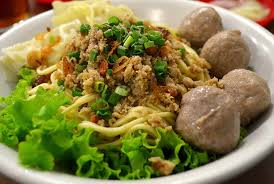
Bakso is an iconic Indonesian dish, most commonly referring to springy meatballs made from beef (or other proteins), served in a hot savory broth. The name "bakso" is derived from the Hokkien word "bak-so", meaning minced meat, indicating its Chinese culinary roots.


🍜 Bakso (Indonesian Meatballs) – A Complete Guide

🧾 What is Bakso?


📜 Origin & History

  • Chinese-Indonesian Fusion: Bakso has Chinese origins, influenced by meatball dishes like Chinese wanzi or Cantonese beef balls. Over time, it adapted to local Indonesian tastes and became a national favorite.

  • Colonial Era Spread: Bakso’s popularity spread during the Dutch colonial era, with local variations developing in different regions of Indonesia.

🍲 Typical Components

  1. Bakso Balls:

    • Made from beef surimi (very finely ground meat)

    • Blended with tapioca flour or sago starch, garlic, salt, pepper

    • Texture: Smooth, dense, and chewy

    • Sizes: From marble-sized to tennis-ball sized; some are filled with egg, cheese, or spicy sambal

  2. Soup/Broth:

    • A clear, flavorful broth made from beef bones, shallots, garlic, celery, and pepper

    • Often topped with fried shallots and scallions

  3. Add-ons:

    • Noodles (yellow egg noodles or rice vermicelli)

    • Fried tofu, wontons, boiled egg, vegetables

    • Condiments: Kecap manis (sweet soy sauce), sambal (chili paste), vinegar, and lime juice

🍽️ Popular Varieties of Bakso

Variant Description
Bakso Sapi Traditional beef meatballs
Bakso Ayam Chicken meatballs
Bakso Ikan Fish-based bakso, common in coastal areas
Bakso Telur Stuffed with a boiled egg inside
Bakso Keju Filled with cheese for a creamy texture
Bakso Urat Coarse texture, made with tendon or veins
Bakso Beranak Giant meatball stuffed with smaller meatballs or fillings (means “birthing bakso”)

🏙️ Where to Eat It

  • Street Carts (Gerobak Bakso): Most popular and authentic experience; often accompanied by a ringing bell or honk to attract customers.

  • Warungs: Small local restaurants

  • Mall Food Courts: Modern variations with added toppings and fusion styles

🌍 Global Recognition

  • Barack Obama, who lived in Jakarta as a child, called Bakso one of his favorite foods.

  • Gained international attention through food bloggers, YouTubers, and culinary travel shows like Street Food and Somebody Feed Phil.

🧑‍🍳 How Bakso is Made (Simplified)

  1. Grind beef into a very fine paste (often mixed with ice to maintain texture)

  2. Add salt, spices, garlic, and tapioca flour

  3. Form into balls and boil in water until they float

  4. Prepare broth using beef bones, garlic, shallots, celery

  5. Serve with noodles, garnishes, and condiments

🎉 Cultural Importance

  • Daily Meal: Common lunch/dinner for students, workers, and families

  • Festivals: Popular during Ramadan for iftar (breaking fast)

  • Social: Bakso vendors are part of daily life and local culture in cities and villages

🔥 Fun Fact:

Some Indonesian regions have giant bakso competitions where meatballs can weigh several kilograms!

Would you like a printable version, a PDF handout, or perhaps a recipe to try making Bakso at home?

"This Content Sponsored by Buymote Shopping app

BuyMote E-Shopping Application is One of the Online Shopping App

Now Available on Play Store & App Store (Buymote E-Shopping)

Click Below Link and Install Application: https://buymote.shop/links/0f5993744a9213079a6b53e8

Sponsor Content: #buymote #buymoteeshopping #buymoteonline #buymoteshopping #buymoteapplication"

Friday, 25 April 2025

Bak Kut Teh (pronounced bah-koo-teh), which translates to “Meat Bone Tea” in Hokkien, is a fragrant Chinese soup made by simmering pork ribs in a complex blend of herbs and spices. Despite its name, it contains no tea in the actual broth; rather, tea is often consumed alongside the dish to balance the richness.


🍲 Bak Kut Teh – A Traditional Herbal Pork Rib Soup

📘 Introduction


This dish has deep cultural roots in Malaysia, Singapore, and parts of southern China, and is often enjoyed as a hearty breakfast or lunch. Over time, many regional varieties have developed, each offering a slightly different herbal blend and flavor profile.

🧾 Ingredients

🐷 Main Ingredients:

  • 500g–1kg pork ribs (preferably meaty, with bone)

  • 8–10 garlic cloves (whole, unpeeled)

  • 6 cups water

  • 1 tbsp soy sauce

  • ½ tbsp dark soy sauce (for color)

  • Salt and white pepper to taste

🌿 Herbal Blend (may vary, or bought as a Bak Kut Teh spice sachet):

  • 1 star anise

  • 1 piece cinnamon stick

  • 3–4 cloves

  • 1 tsp fennel seeds

  • 1 tbsp dang gui (Angelica root)

  • 1 tbsp tong sum (Codonopsis root)

  • 1 piece licorice root

  • 2–3 dried Chinese red dates

  • 1 piece dried tangerine peel (optional)

🔥 Cooking Method

🥣 Step 1: Prepare the Pork Ribs

  • Blanch the ribs in boiling water for 5 minutes to remove scum and impurities.

  • Drain and rinse the ribs with cold water.

🍲 Step 2: Simmer the Soup

  • In a large pot, add water, pork ribs, garlic cloves, and all herbs/spices.

  • Bring to a boil, then reduce to a simmer.

  • Add soy sauce and dark soy sauce.

  • Simmer gently for 1.5 to 2 hours, or until the ribs are tender and the broth is flavorful.

  • Season with salt and pepper to taste.

🍚 Step 3: Serve Hot

  • Bak Kut Teh is traditionally served piping hot in clay pots or bowls.

  • Garnish with chopped spring onions or coriander if desired.

🍽️ Serving Suggestions

Bak Kut Teh is often enjoyed with:

  • Steamed white rice

  • You tiao (Chinese fried dough sticks) for dipping

  • Sliced red chili in soy sauce for dipping the pork

  • A cup of Chinese tea (Oolong or Pu-erh)

Some versions also serve it with braised tofu, mushrooms, or boiled lettuce on the side.

🍜 Variations of Bak Kut Teh

🇲🇾 Malaysian (Klang-style)

  • Heavier and darker broth with more garlic and soy sauce.

  • Tends to be more robust and peppery.

🇸🇬 Singaporean (Teochew-style)

  • Lighter and clearer broth.

  • Uses more white pepper and garlic, with fewer herbs.

🥬 Herbal Vegetarian Version

  • Made with mushrooms, tofu, and a similar herbal mix.

  • A flavorful option for non-meat eaters.

🌿 Health Benefits

Bak Kut Teh is not just delicious—it’s considered nutritious and restorative, particularly in traditional Chinese medicine.

Ingredient Benefit
Dang Gui (Angelica) Promotes blood circulation, supports women's health
Garlic Antibacterial and immunity booster
Licorice Root Soothes the stomach and throat
Red Dates High in iron and vitamin C
Pork Ribs Rich in protein and collagen

While hearty and comforting, moderation is key, especially for those watching their sodium or fat intake.

🧠 Tips for Making the Perfect Bak Kut Teh

  • Use fresh, meaty ribs with some fat for a richer taste.

  • Don’t peel the garlic — the unpeeled cloves add aroma without overpowering the soup.

  • Herbal sachets or pre-mixed spice packs are available in Asian stores for convenience.

  • The soup tastes even better the next day, as the flavors develop further.

📜 Cultural Significance

Bak Kut Teh has roots among the Chinese immigrant workers in Malaysia and Singapore. It was originally developed as a nourishing meal to replenish energy for laborers. Over time, it evolved into a beloved dish enjoyed across all social classes.

Today, it is part of local identity and culinary pride, with dedicated Bak Kut Teh restaurants and family recipes passed down for generations.

📝 Conclusion

Bak Kut Teh is more than just soup — it's a cultural staple, a herbal remedy, and a comfort food all in one bowl. Whether you enjoy it as a winter warmer or a restorative tonic, its unique blend of meat, herbs, and tradition continues to make it a beloved dish across Southeast Asia and beyond.

Would you like me to design this as a recipe card, printable PDF, or create a blog-style post with images?

 "This Content Sponsored by Buymote Shopping app

BuyMote E-Shopping Application is One of the Online Shopping App

Now Available on Play Store & App Store (Buymote E-Shopping)

Click Below Link and Install Application: https://buymote.shop/links/0f5993744a9213079a6b53e8

Sponsor Content: #buymote #buymoteeshopping #buymoteonline #buymoteshopping #buymoteapplication"